
Description
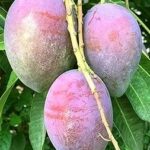
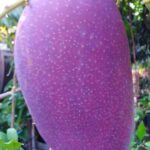
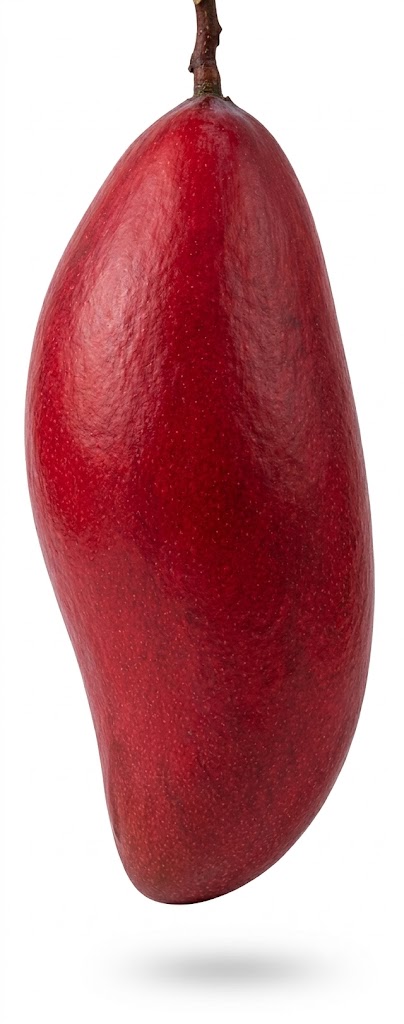
The Thai Qjai mango, also known as Kujai, Kyojai, Thai Kujai, or Keaw Savoey, is a premium mango variety originating from Thailand . It is highly regarded in Thailand, where it is known as “Khiew Sawoey” and sometimes called the “Queen of Thai Mangoes” . This variety is gaining popularity across South Asia, including Nepal, for its exceptionally sweet flavor, crunchy texture, and large fruit size .
Detailed Description:
-
Size:
The tree is a medium-sized evergreen that can reach heights of 5 to 15 meters . It has a relatively open canopy with fewer branches . In cultivation, grafted trees can be maintained at a more manageable size through pruning. Some sources indicate the tree has a lifespan of approximately 10-25 years . -
Leaves:
The leaves are typical of the Mangifera indica species—simple, alternately arranged, and concentrated at the branch tips . They are lanceolate in shape, dark green, glossy, and measure about 3–5 cm wide and 15–20 cm long . The midrib is distinctly white and clearly visible . -
Flowers:
The tree produces small, greenish-yellow flowers in large panicles. A notable characteristic is that the flowers are predominantly male (about 91.8%), with only a small percentage being bisexual (about 8.2%) and capable of setting fruit . This contributes to the variety’s relatively low fruit set. -
Fruit:
The fruit is the defining feature of this variety:-
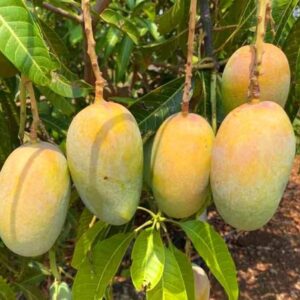
Appearance: The fruit is oblong-oval in shape, tapering slightly towards the tip . The skin is a distinctive dark green and retains this color even when ripe, though it may develop a slight yellowish-green hue when fully mature .
-
Size and Weight: The fruit is typically medium to large, weighing between 300 and 390 grams according to some sources , while nursery sellers often state a much larger size, with individual fruits potentially weighing up to 1.5 kilograms .
-
Flesh: The flesh is white or creamy-white, thick, and very crunchy in texture . It is firm and does not become mushy easily, even when ripe . The fiber content is low to moderate .
-
Taste: The Thai Qjai is prized for its exceptional sweetness, even when the fruit is unripe . It has a pleasant aroma and a flavor described as sweet, juicy, and sometimes with a “nutty” note .
-
-
Branchlets:
The branchlets are characteristic of the species, forming a relatively open canopy . -
Bark:
The bark is greyish-black and peels off in small scales .
Other Notable Features:
-
Hardiness: The Thai Qjai mango is adaptable to various climates and soil types, making it a suitable choice for cultivation in regions with tropical and subtropical climates .
-
Versatile Use: The fruit is enjoyed both green (unripe) and ripe. Green mangoes are commonly used in salads, such as som tam (papaya salad), or eaten with salt and chili . Ripe mangoes are eaten fresh or used in desserts .
-
Grafted Varieties: Grafted trees are preferred as they ensure the fruit is true to the parent variety and begin fruiting much earlier, often within 1.5 to 2 years of planting .
Climate Suitability for Nepal:
The Thai Qjai mango is well-suited to Nepal’s climate, particularly the warmer regions.
-
Ideal Regions: Originating in Thailand, this variety thrives in tropical and subtropical climates. It is suitable for cultivation in Nepal’s Terai region, which experiences warm temperatures and adequate rainfall.
-
Climate: The ideal temperature range for this variety is 24°C to 35°C . It requires full sun exposure (6–8 hours daily) and well-drained soil .
Why Choose Thai Qjai from Gupta Nursery:
-
Exceptional Fruit Quality: The unique dark green skin, crunchy texture, and intense sweetness make this mango a premium choice for home gardeners and commercial growers.
-
High Market Value: Its exotic appearance and superior taste command a higher price in the market .
-
Grafted Plants: Grafted plants ensure early fruiting and consistent production, with fruit true to the parent variety .
-
Versatile Use: The fruit can be enjoyed at different stages of ripeness, both fresh and in salads.
Cultivation Tips for Nepal:
-
Light: Requires full sun exposure for optimum growth and fruit production .
-
Soil: Prefers well-drained, fertile soil. Sandy loam or loamy soil is ideal .
-
Watering: Water regularly during the growing season, keeping the soil consistently moist but not waterlogged .
-
Temperature: Protect from extreme cold and frost .
At Gupta Nursery, we are proud to offer high-quality grafted Thai Qjai mango plants—a premium variety that combines unique appearance, exceptional sweetness, and crunchy texture, perfect for adding a touch of Thai excellence to any garden or orchard in Nepal.

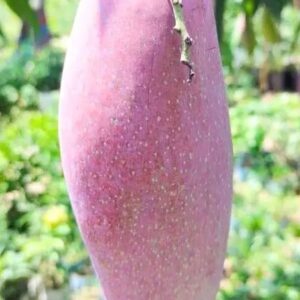 Red ivory Mango Fruit Plant Grafted 2 ft
 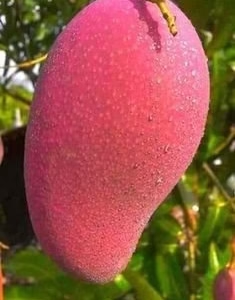 Taiwan Red Mango Mango Fruit Plant Grafted 2 ft
Reviews
There are no reviews yet.