
Description
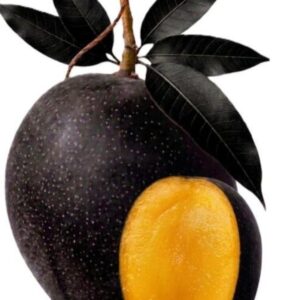
The Katimon mango, also known as Catimon or the “all-season mango,” is a remarkable variety that originated in Thailand. It is often associated with the renowned Thai variety Chok Anan and is prized for its ability to produce fruit outside the normal mango season. This exotic variety has gained significant popularity across South Asia, including in Nepal, for its compact growth, early bearing habit, and year-round fruiting capability.
Detailed Description:
-
Size:
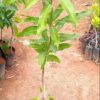
The Katimon mango tree is a medium-sized evergreen that typically reaches a height of 4.5 to 6 meters (15 to 20 feet) when fully grown. It is known for its compact growth habit, making it suitable for home gardens, terraces, and high-density commercial orchards. -
Leaves:
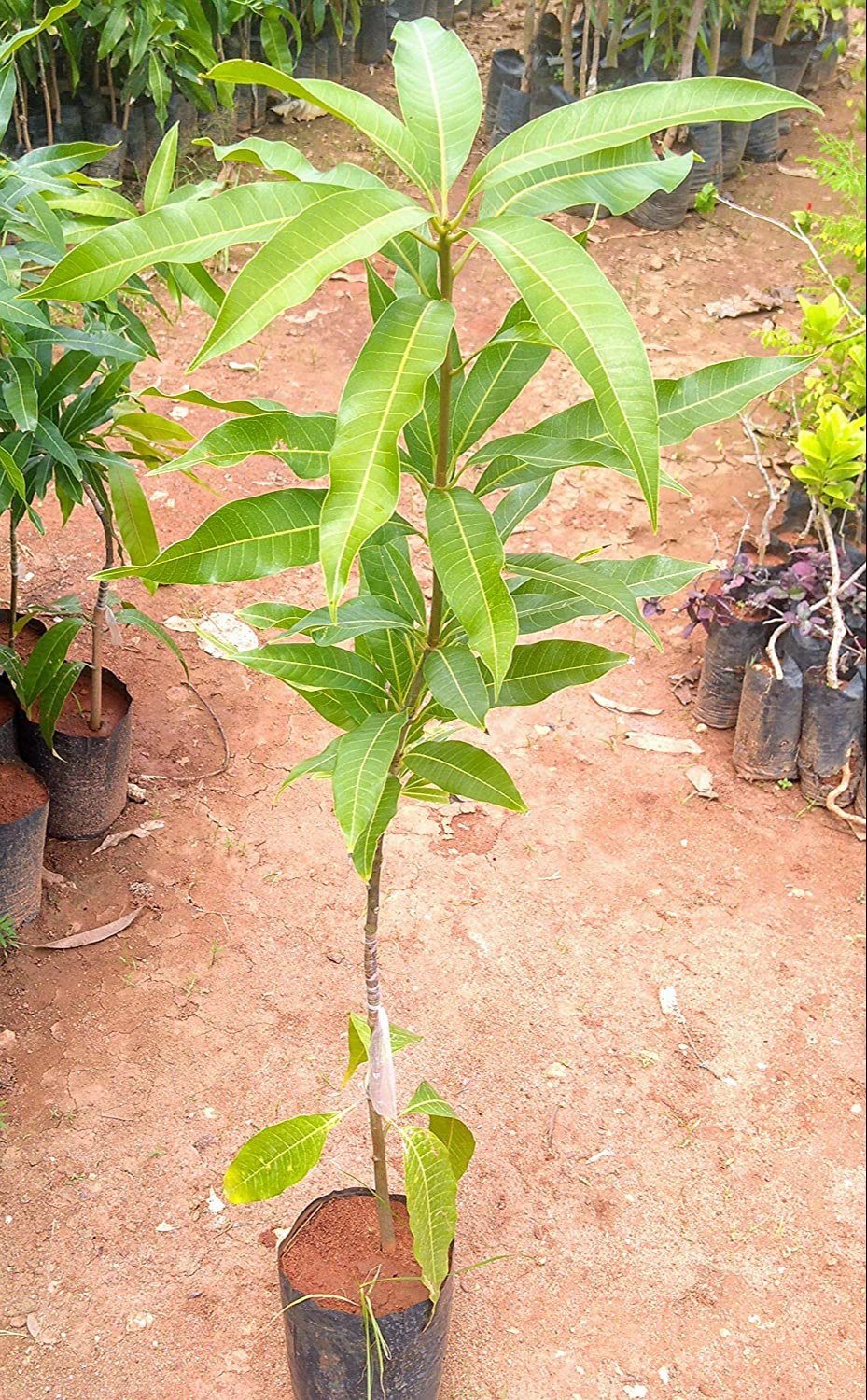
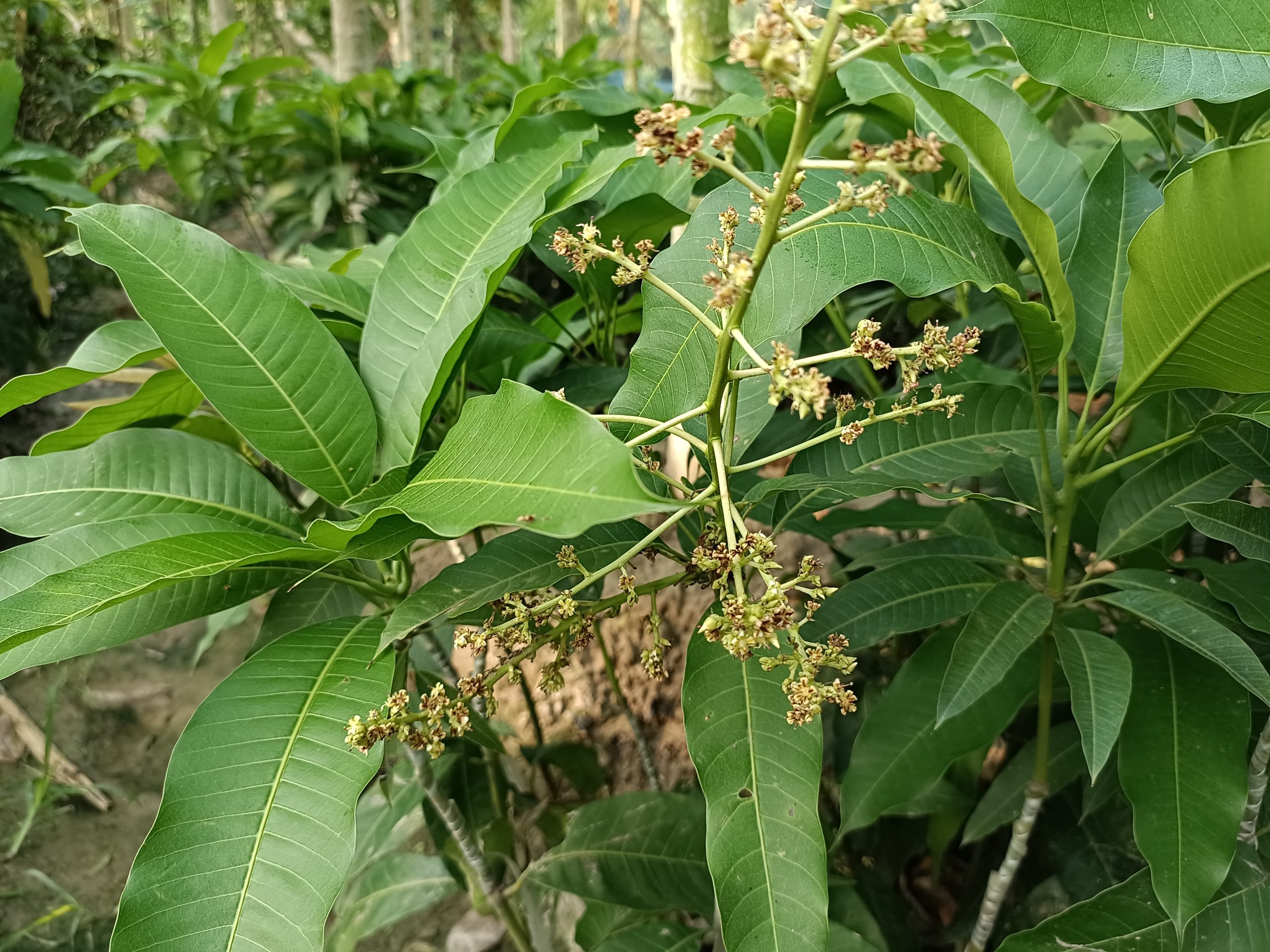
As a variety of Mangifera indica, the Katimon tree features the species’ characteristic evergreen, simple leaves. They are lanceolate in shape, glossy, and densely foliated. -
Flowers:
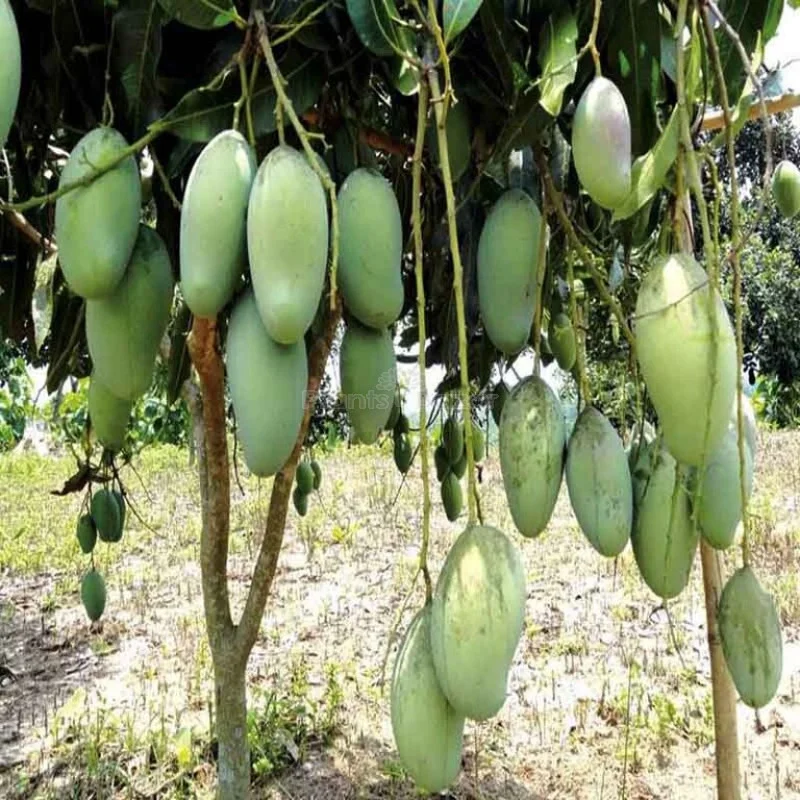
A key defining feature of the Katimon mango is its flowering habit. Unlike conventional varieties that flower once a year, the Katimon tree can have flowers, buds, and mature fruit on the tree simultaneously, allowing it to produce fruit multiple times throughout the year. -
Fruit:
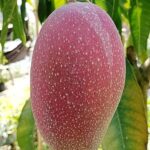
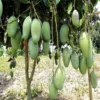
The fruit is medium-sized with a sweet, honey-like flavor and a mostly fiberless texture. The flesh is juicy and smooth, with excellent eating quality. The fruit can also be eaten green. Production is described as good to excellent. -
Branchlets:
The branchlets are characteristic of the mango species, forming a dense, compact canopy. -
Bark:
The bark is typical of the mango species—greyish-brown and fissured.
Climate Suitability for Nepal:
Nepal’s diverse geography provides a range of microclimates suitable for mango cultivation. The Katimon mango thrives in tropical and subtropical climates, ideally in areas with warm temperatures and well-draining soil.
-
Ideal Regions: The Terai region (southern Nepal) is particularly well-suited for mango cultivation. The Madhesh Province alone accounts for nearly 60% of Nepal’s mango production, with optimal conditions including temperatures of 24–27°C and adequate rainfall of 890–1,015 mm.
-
Temperature Tolerance: The Terai experiences summer temperatures exceeding 37°C (and up to 45°C in some areas) and winter temperatures ranging from 7°C to 23°C—conditions that align well with the Katimon mango’s warm-climate requirements.
-
Expanding Suitability: Research indicates that mango suitability in Nepal is expanding to higher elevations due to climate change, with suitable areas potentially increasing by up to 35.9% by the end of the century. This means the Katimon mango could be successfully cultivated in mid-hill areas as well.
Why Choose Grafted Katimon from Gupta Nursery:
-
Early Fruiting: Grafted Katimon plants begin bearing fruit much earlier—often within 1 to 2 years of planting—compared to seedling trees that may take many years.
-
Reliable Propagation: Grafting ensures that the tree is genetically identical to the parent, guaranteeing the same superior fruit quality, flavor, and all-season bearing habit.
-
Compact Size: The tree’s moderate growth makes it ideal for small gardens and high-density planting.
-
Year-Round Income: The ability to produce fruit multiple times a year provides farmers with a steady and reliable income stream, breaking the traditional mango season.
Cultivation Tips for Nepal:
-
Soil: Well-draining soil with a pH of 5.5 to 7.0 is ideal. Soil depth should be at least 2 meters.
-
Watering: Regular watering is essential, especially during flowering and fruiting periods.
-
Climate Adaptation: With changing rainfall patterns in Nepal, the Katimon’s hardiness and off-season production make it a climate-resilient choice.
Economic Potential:
Nepal’s mango industry has substantial commercial potential, with a significant trade imbalance where imports far exceed exports. Investing in high-value varieties like Katimon can help strengthen domestic production. Expected returns for a 1-hectare mango farm can reach NRs. 1,296,000 annually by the 10th year

 Wisteria Flower Plant
  Foxtail Plam, Wodyetia bifurcata 2 ft
  Hybrid Anar Red
 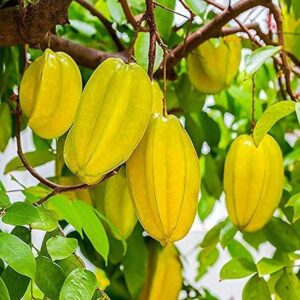 Star Fruit Plant Grafted
Reviews
There are no reviews yet.