
Description
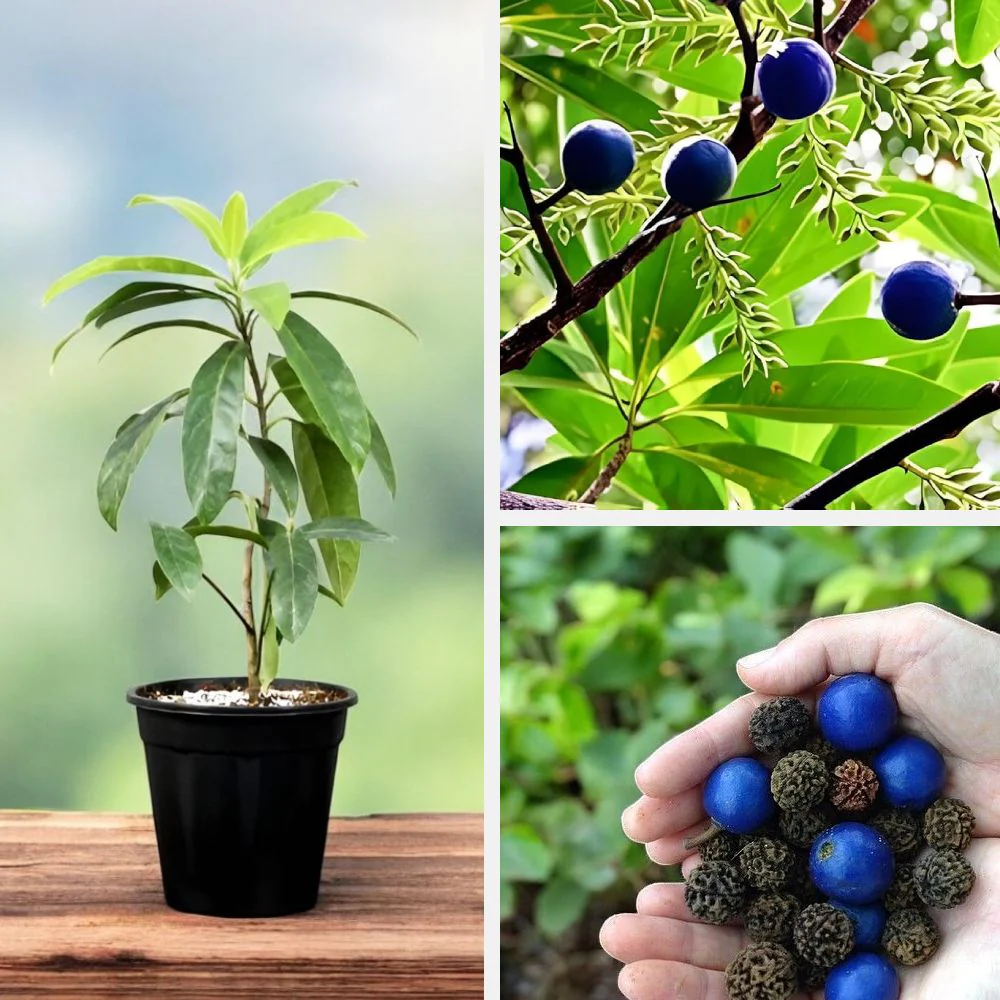
nlike other fruit plants, Rudraksha beads are priceless religious and ornamental items. A single premium quality seed can sell for up to NRS 2,000, and rare multi-faced varieties fetch even higher prices . The Sadananda Municipality area (Rudraksha Capital of Nepal) earns an estimated NRS 100 crores annually from Rudraksha exports .
1. Initial Investment Phase (Year 0-3)
-
Plant Age: Newly planted grafted sapling
-
Value: Moderate investment (grafting, poly bag, planting)
-
Depreciation: 0% (no fruit yet, but value holds)
-
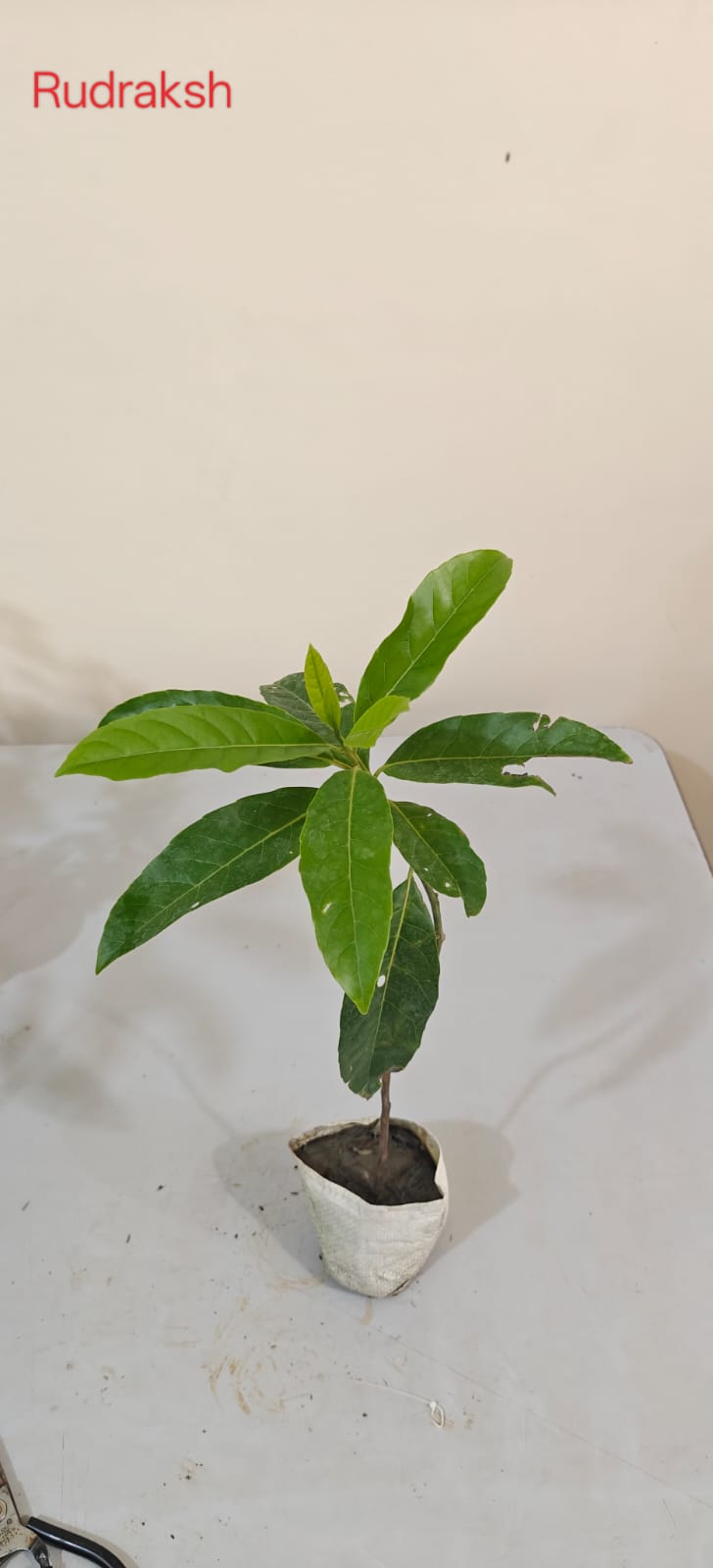
Note for Nepali Farmers: Traditional Rudraksha trees take 7 years to bear fruit, but our grafted hybrid starts producing in just 3-4 years . This means less waiting time!
2. First Fruiting Stage (Year 4-7)
-
Plant Age: Young productive tree
-
Value: Starts generating income (1,000-2,000 seeds per year)
-
Depreciation: None – value begins to increase
-
Current Nepal Market Price: A single 5-faced (Panchamukhi) seed can sell for NRS 2,000+
-
Why Value Rises: Demand from both Indian pilgrims (religious use) and Chinese buyers (ornamental jewellery) keeps prices high
3. Peak Production Stage (Year 8-25)
-
Plant Age: Mature hybrid tree
-
Value: Maximum appreciation – this is your profit period!
-
Annual Yield: Up to 4,000+ seeds per tree
-
Depreciation: Negative depreciation (value keeps increasing with tree age)
-
For Nepal: Perfect for mid-hill regions (Bhojpur, Sindhupalchowk, Makalu area) where Rudraksha grows best at 500-2,000 metres altitude
4. Long-term Value (Year 25-50+)
-
Plant Age: Old, established tree
-
Value: Remains high due to spiritual significance
-
Depreciation: Very minimal (trees can fruit for decades)
-
Heritage Value: Rudraksha is called “Lord Shiva’s eye” – mature trees are considered sacred and priceless
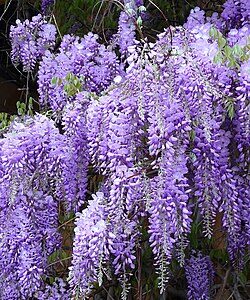 Wisteria Flower Plant
 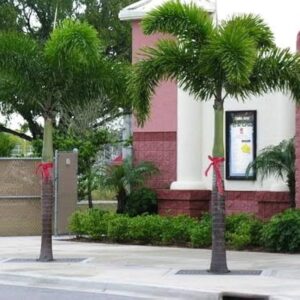 Foxtail Plam, Wodyetia bifurcata 2 ft
  Hybrid Anar Red
Reviews
There are no reviews yet.