Description
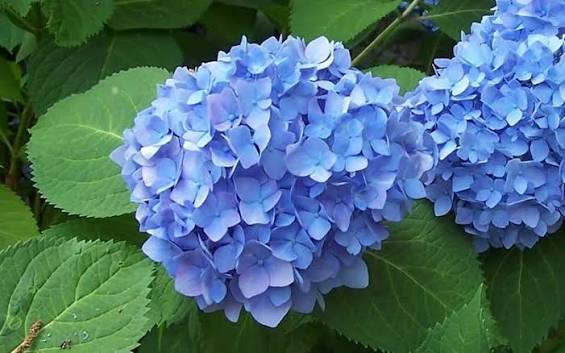
The Hydrangea is a diverse genus of flowering plants in the family Hydrangeaceae. Ranging from deciduous or evergreen shrubs to small trees and even climbers, they are beloved worldwide for their large, showy flower heads. The name Hydrangea comes from the Greek words “hydor” (water) and “aggeion” (vessel), a reference to the cup-shaped fruit. Several species are native to the Himalayan region, including Nepal, making them a fantastic and resilient choice for Nepali gardens.
Detailed Description:
-
Size:
The size of a hydrangea varies greatly by species and variety. It can be a modest shrub growing 0.3 to 0.7 meters tall, a medium-sized bushy shrub, or even a climbing plant that can reach up to 20 meters in height. Many popular garden varieties grow to a manageable size of 2 to 3 meters tall. -
Leaves:
The leaves are characteristically simple, opposite, and often large. Their shape can be broadly oval, ovate, or elliptical. The margins are toothed (serrated). They are typically a rich, dark green and can be glossy. Some species have distinctive features like deep red, toothed margins. -
Flowers:
This is the most celebrated feature of the plant. The flowers are borne in large, showy, terminal inflorescences that can be corymbose (flat-topped) or paniculate (cone-shaped). The most conspicuous parts are often not the true petals, but the enlarged, colored, petal-like sepals of the sterile flowers. These can be found in a range of colours including white, pink, and blue. Flower heads often consist of a mix of small, fertile flowers and larger, showy sterile flowers. -
Fruit:
The fruit is a small, dry, cup-shaped capsule containing numerous tiny seeds. The calyx tube often remains attached and is persistent. The overall inflorescence can remain attractive even in fruit. -
Branchlets:
The branchlets can be smooth or hairy, and their colour varies. They can be brown, dark red-brown, or yellowish-brown. On climbing species, the stems develop 3-dimensional branchlets that allow them to grip and climb structures. -
Bark:
The bark is often a notable feature, especially on older stems. It can be pale, peeling, or exfoliating in thin, irregular flakes or fragments. On some species, it is a distinctive chestnut-brown or cinnamon-brown.
Other Notable Features:
-
Hardiness:
Hydrangeas are surprisingly hardy. Many species, including those native to the Himalayas, can tolerate significant cold. Some are known to withstand temperatures down to at least -15°C, and certain varieties are very frost-hardy and do not require winter protection. -
Soil and Colour:
A fascinating feature of many hydrangeas is that their flower colour (particularly in blue and pink varieties) can be influenced by the soil pH. More acidic soils tend to produce blue flowers, while alkaline soils produce pink flowers.
Climate Suitability for Nepal:
The hydrangea is exceptionally well-suited to Nepal’s diverse climate, as the genus is native to the region.
-
Ideal Regions: Many species are native to the Himalayas, including Nepal, and are found naturally from the eastern Himalayas to as far north as the border with Tibet. This makes them a perfect choice for gardens across the country.
-
Altitude: In their natural habitat, they are found at significant elevations, with some species collected from above 2300 meters in central and eastern Nepal. This indicates they are well-adapted to the cooler temperatures of the mid-hills and mountains.
-
Climate: They thrive in cool to moderate temperate climates. While they prefer mild conditions with optimum temperatures around 13-23°C, they are also cold-hardy. They generally prefer partial shade and consistently moist, well-draining soil. Extreme heat can affect flower production, so providing some shade from the hot afternoon sun is beneficial.
Why Choose Hydrangea from Gupta Nursery:
-
Nepali Native: Many hydrangea species are native to Nepal, meaning they are naturally adapted to the local climate and conditions, ensuring robust growth and resilience.
-
Spectacular Blooms: Their large, colourful flower heads provide a stunning display that can transform any garden.
-
Versatile Use: They are suitable for a variety of garden settings, from borders and beds to containers and even as climbers on walls and fences.
-
Long-Lived Beauty: With proper care, hydrangeas can provide years of beautiful foliage and flowers.
Cultivation Tips for Nepal:
-
Light: Prefers partial shade. Protect from the harsh, hot afternoon sun, especially in the Terai.
-
Soil: Requires moist, humus-rich, and well-draining soil. Slightly acidic soil is often preferred.
-
Watering: Needs consistent moisture; do not allow the soil to dry out completely.
-
Temperature: Very hardy; many species are well-suited to the cooler climates of Nepal’s hills and mountains.
At Gupta Nursery, we are proud to offer beautiful hydrangea plants—a genus with deep roots in the Nepali Himalayas, perfect for adding a touch of spectacular colour and elegance to any garden across the country.
Reviews
There are no reviews yet.